


Against the backdrop of global energy transition and the urgent pursuit of carbon neutrality goals, a medium-sized manufacturing plant specializing in precision component processing was confronted with multiple prominent energy dilemmas that restricted its high-quality development. As a 24-hour continuous production enterprise, the plant was equipped with a large number of high-power precision processing equipment, resulting in a stable and high daily electricity load of 350-400kW, with peak load reaching 500kW during daytime working hours. Meanwhile, the region implemented a time-of-use electricity price policy with a significant gap between peak and valley periods, making the high peak-time electricity costs a heavy burden on the enterprise's operation. As an export-oriented enterprise, it also faced urgent pressure to improve the proportion of green electricity use to comply with increasingly strict overseas carbon tariff policies (such as the EU CBAM) and maintain market competitiveness. Additionally, local grid management imposed strict restrictions on distributed PV grid connection, requiring all PV-generated electricity to be consumed on-site with no reverse flow to the grid, which made it difficult to utilize surplus clean energy and reduced the investment return of potential PV projects. To comprehensively address these pain points, the plant decided to adopt a "photovoltaic (PV) + energy storage + Energy Management System (EMS)" integrated smart energy solution, aiming to achieve cost reduction, efficiency improvement, and green transformation.

I. Solution & System Configuration
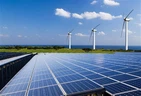
: A 500kW distributed PV array was configured, composed of 20 sets of 25kW high-efficiency PV inverters, which could stably generate green electricity during daytime, providing a reliable clean energy source for the plant's production.
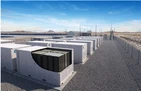
: 2 sets of 125kW/261kWh industrial and commercial energy storage cabinets were installed, with a total energy storage capacity of 522kWh and a total discharge power of 250kW. The cabinets adopted lithium iron phosphate batteries, featuring high safety and long cycle life, which could meet the continuous operation needs of the plant.
: All on-site PV inverters and energy storage cabinets were uniformly connected to a master EMS, which undertook core control and dispatching functions. It could real-time monitor the plant's load, PV power generation, and energy storage capacity, control PV output to avoid reverse power flow, formulate intelligent charging-discharging strategies based on time-of-use prices, and provide multiple protection functions such as overload, over-temperature, and undervoltage to ensure the safe and stable operation of the entire system.

II. Operation Mechanism & Practical Effects
1. Intelligent Operation Mechanism
The EMS realized refined energy management through scientific scheduling: during the valley electricity price period (nighttime), the energy storage system was charged with low-cost grid power; during the daytime, when PV power generation was sufficient, the generated electricity was first used for on-site production, and the surplus power was stored in the energy storage system; during the peak electricity price period (daytime working hours), the energy storage system discharged to supply power for production, replacing high-cost grid peak power, thus maximizing the economic benefits of energy use.
2. Remarkable Practical Effects
: The plant's electricity costs have been reduced by 28% compared with before, saving over 1 million yuan in electricity costs annually, and the investment payback period of the entire project is only about 4.5 years, with strong economic feasibility.
: The PV system generates about 600,000 kWh of green electricity annually, with a utilization rate of over 98%, completely complying with grid policies. The plant's annual green electricity utilization rate has increased from 0 to 35%, reducing carbon dioxide emissions by about 480 tons each year, helping the enterprise fulfill its social responsibility of energy conservation and emission reduction.
: The energy storage system acts as a reliable backup power source, which can quickly switch to discharge mode within 0.1 seconds in case of grid voltage fluctuations or short-term power outages, ensuring the continuous operation of the production line and avoiding economic losses caused by production shutdowns.

III. Project Significance
This project is not only a successful practice for the plant to solve its own energy dilemmas and achieve high-quality development but also has important demonstration significance and promotion value for the zero-carbon transformation of the entire manufacturing industry:
It provides a replicable solution for manufacturing plants facing grid connection restrictions and high energy costs, breaking the bottleneck of distributed PV application in industrial and commercial fields.
It sets a practical benchmark for small and medium-sized manufacturing enterprises to carry out zero-carbon transformation with reasonable investment, short payback period, and remarkable benefits.
It promotes the in-depth integration of clean energy and manufacturing production, guides more enterprises to move towards green and intelligent development, and contributes positively to the global carbon neutrality goal.